
How many porta potties does OSHA require on a construction site?
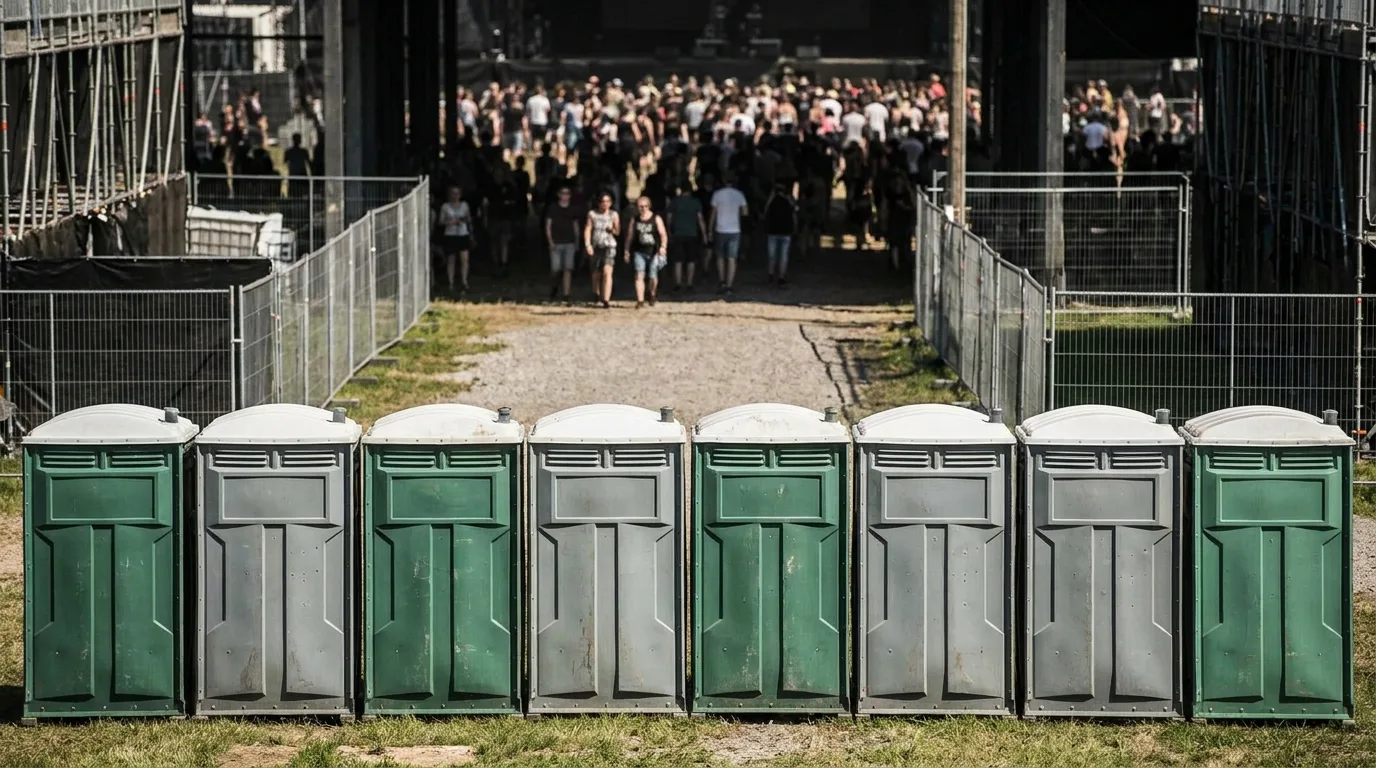
OSHA 1926.51(c) sets the baseline: 1 toilet facility for 20 workers or fewer, then 1 toilet seat and 1 urinal per 40 workers once you pass 20, and 1 seat plus 1 urinal per 50 workers at 200 or more. A 15-person framing crew still needs 1 unit. A 45-person crew crosses into the next bracket and needs 2 seats plus urinal capacity. Cincinnati Porta Pros sizes crews against this table before quoting construction site services, and most contractors also want temporary fencing and a handwashing station on the same delivery. For a full walkthrough of the bracket math, see OSHA portable toilet requirements. If your crew is spraying paint, coatings, herbicides or insecticides, OSHA 1926.51(f)(1) also requires washing facilities beyond a standard toilet, which usually means adding a portable sink rental to the order.
How many porta potties do I need for an event?
Base events without alcohol run about 1 unit per 50 guests across 4 hours. Add a unit for every 2 hours past that, and add roughly 20 percent more capacity when alcohol is served, since bladders empty faster and lines back up. A 300-guest wedding at 4 hours needs about 6 standard units; push it to 6 hours with a bar and you are closer to 8. Cincinnati Porta Pros builds these numbers into every event restroom rental and wedding restroom rental quote. ADA Standards section 213.2 requires that at least 5 percent of clustered single-user units be accessible, never fewer than one, so an 8-unit order needs at least one ADA accessible porta potty on site.
What is the worked example for a jobsite?
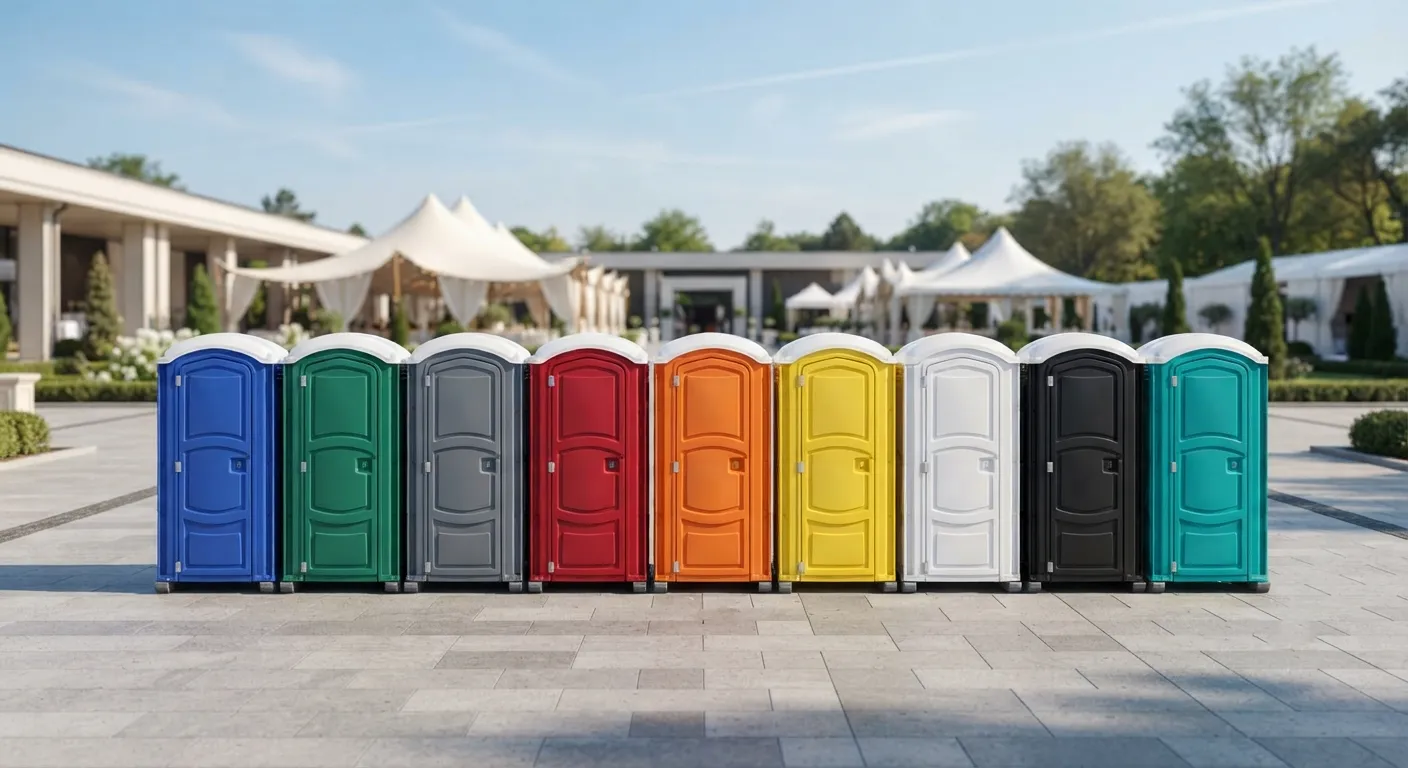
Take a Cincinnati remodel crew of 35 workers on a 40 hour week. That falls in the 20-to-40 bracket under OSHA 1926.51(c), so the job needs 1 toilet seat and 1 urinal, doubled if the crew works two shifts on the same site. Add a standard porta potty rental at the lower end of the day rate and a weekly service visit under ANSI/PSAI Z4.3, which sets one cleaning per week for up to 10 users over a 40 hour stretch as the baseline interval. Crews above that ratio need twice-weekly service to keep tanks under the 60 to 70 gallon capacity most standard units carry. A home renovation porta potty order for a single crew working a house near Norwood, 5.4 miles northeast of downtown Cincinnati, usually lands at one unit for the full job unless the crew doubles up.
What is the worked example for a festival?
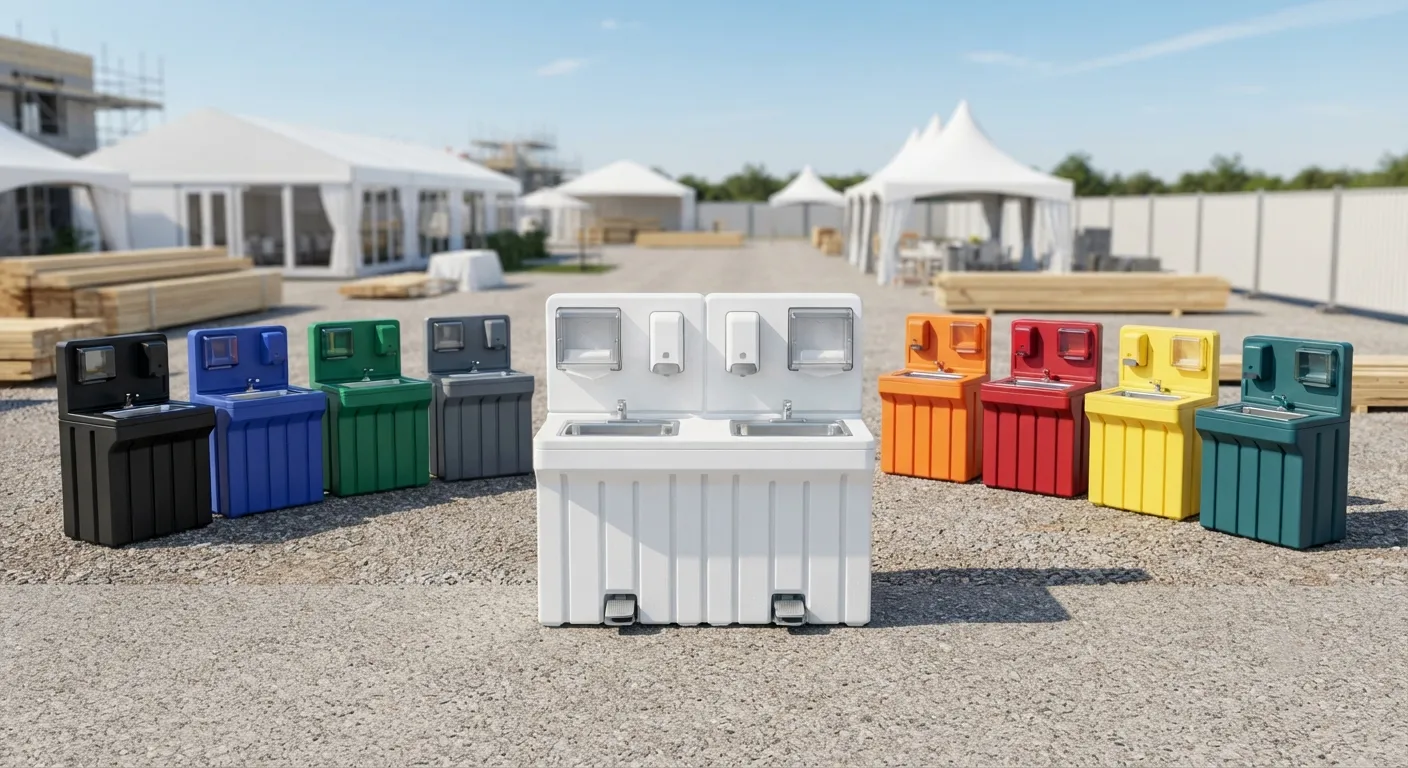
A one-day festival expecting 2,000 attendees over 8 hours needs roughly 1 unit per 50 guests times two, since the hour count doubles the base 4-hour window: that puts the order near 32 standard units before ADA adjustment. Section 213.2 pushes that to at least 2 accessible units in the cluster. A festival restroom rental at that scale usually pairs standard units with a restroom trailer rental or an 8 stall restroom trailer near the main stage to cut wait times. Multi-day festivals should double the service frequency rather than doubling every unit count, since tanks fill on attendance, not calendar days. A concert restroom rental near the riverfront in Cincinnati follows the same math, adjusted for whether beer sales run the full event window.
How many cubic feet and tons does a dumpster hold?
Roll-off sizing runs on cubic feet, not gallons, and the numbers matter when you are also renting toilets for the same demolition or reno job. A 10 yard dumpster measures about 10 feet by 8 feet by 3.5 feet, roughly 270 cubic feet, and suits driveway cleanouts. A 20 yard dumpster runs closer to 20 feet long, holding about 540 cubic feet and roughly 2 to 3 tons of mixed debris. A 30 yard dumpster holds close to 810 cubic feet and can carry 3 to 4 tons depending on material density. A 40 yard dumpster reaches around 1,080 cubic feet and can hold 4 to 5 tons. Check dumpster sizes and dimensions and dumpster weight limits before ordering, since overloading past the ton rating draws overage fees. Every roll-off dumpster rental needs about 60 feet of straight clearance behind the delivery truck, which rules out tight alleys in older Cincinnati neighborhoods.
Should I rent by the day, week or month?
Match the rental length to the job, not the other way around. A single-day cleanup or open house calls for a porta potty rental per day; a week-long framing job or block party fits a weekly rate; anything past a month, like a slow-moving renovation, belongs on a monthly porta potty rental. The table below shows how standard unit pricing scales with duration.
| Duration | Low | Typical | High |
|---|---|---|---|
| Day | $100 | $150 | $350 |
| Week | $130 | $200 | $500 |
| Month | $125 | $200 | $325 |
Weekend rates for a single standard unit run from about $125 to $400, priced separately from the day-week-month scale above since it is a short premium window, not a discount tier. Full breakdowns live on porta potty rental cost.
Do I need extra units for alcohol or multi-day events?
Yes. Alcohol service adds roughly 20 percent more units to your base headcount count because trips to the restroom rise sharply once a bar opens, and lines that form during a 4 hour ceremony compound fast during a 6 or 8 hour reception. Multi-day festivals and county fairs need a service plan, not just more units sitting static: ANSI/PSAI Z4.3's weekly baseline interval has to shrink to daily or twice-daily service once attendance climbs past 10 users per unit per day. A county fair restrooms order near Hamilton, 20.5 miles north of Cincinnati, typically locks in daily service for the run of the fair rather than a single mid-week visit. Golf outings follow a similar curve; see golf tournament restrooms for hole-by-hole placement guidance, and marathon and race restrooms for staggered start-line clusters.
How many porta potties do I need for 50 guests?
One standard unit covers 50 guests for about 4 hours without alcohol, per the base event ratio. Stretch the event to 6 or 8 hours, or add a bar, and you should move to 2 units, plus one ADA-accessible unit if the cluster grows past a handful of toilets under section 213.2.
How many porta potties do I need for 100 construction workers?
Under OSHA 1926.51(c), 100 workers fall in the 40-to-200 bracket, so you need multiples of the 1-seat-plus-1-urinal-per-40-workers ratio, meaning roughly 3 combination units. Split shifts or spread-out site plans, common on larger Cincinnati builds, often push that number higher for practical access, not just headcount math.
How many cubic feet in a 20 yard dumpster and how many feet is it?
A 20 yard dumpster holds about 540 cubic feet and runs close to 20 feet long. It suits a mid-size roof tear-off or a whole-house declutter, and it needs the same 60 feet of straight backing clearance as smaller roll-off sizes.
How many tons does a 30 yard dumpster hold?
A 30 yard dumpster typically holds 3 to 4 tons, depending on whether the load is light construction debris or dense material like shingles or concrete. Check dumpster weight limits before loading dense material, since exceeding the ton rating adds overage charges on pickup.
How many tons does a 40 yard dumpster hold, and how many cubic feet in a 40 yard dumpster?
A 40 yard dumpster holds around 1,080 cubic feet and typically carries 4 to 5 tons, depending on material density. It suits large-scale demolition or whole-house cleanouts, and it still needs the same 60 feet of straight backing clearance as smaller sizes.
How many cubic feet in a 10 yard dumpster, and how many feet is a 10 yard dumpster?
A 10 yard dumpster measures about 10 feet by 8 feet by 3.5 feet, roughly 270 cubic feet, and it suits driveway cleanouts or small remodels. It is the shortest roll-off box on the lot, but it still needs the same 60 feet of straight clearance behind the delivery truck as larger sizes.
Do I need an ADA-accessible unit for a small event?
Yes, once you cluster portable toilets at all. ADA Standards section 213.2 requires at least 5 percent of a cluster to be accessible, with a minimum of one unit, even if your total order is just 3 or 4 standard toilets for a small backyard event.
What happens if I underestimate my headcount?
Lines back up fast, and tanks fill before the next scheduled service under the ANSI/PSAI Z4.3 weekly baseline. Cincinnati Porta Pros can usually add units mid-event with a same-day delivery; for site-specific placement questions, the porta potty placement guide and a request a quote call cover most last-minute adjustments.
Next step
Get a delivery date
Tell us the address, the dates and the headcount. We size the order and confirm the route.